How to know God: creation testifies to Him, and the Lord Jesus reveals Him
Creation points to a creative God, but we come to know His heart and the way back to Him in the Lord Jesus Christ.

Does God exist, or is the world merely the product of matter and chance? Alexander Barkóci turns our attention to creation, human consciousness, and the Lord Jesus Christ, who reveals the invisible God to us.
In this article
Does God exist? How to know God
The question "Does God exist?" is not new. People have been asking it for generations. Some ask out of curiosity, others after a painful experience, and still others because they do not want to build their lives on something they are not convinced of.
In a short interview, Alexander Barkóci says that man lost personal contact with God and became a seeker of Him. But he does not begin with a complicated philosophical proof. He turns our attention to what is right in front of us: to creation, to human life, to consciousness, and to an order that bears the mark not only of matter but also of thought.
Creation by itself, however, does not tell us everything about God's heart. That is why God did not remain only an invisible Creator we can think about. He made Himself known to us in the Lord Jesus Christ.
The short answer
Yes, God exists. The Bible shows that His power, wisdom, and greatness can be recognized from the things He has made. Alexander Barkóci stresses that matter by itself does not explain the origin of consciousness, reason, and creative order. In the beginning there was not blind chance, but a creative God.
But the Christian answer does not end with observing the world. The invisible God is revealed to us by the Lord Jesus Christ. In Him we come to know not only that God is, but also what He is like and how a person can return to Him.
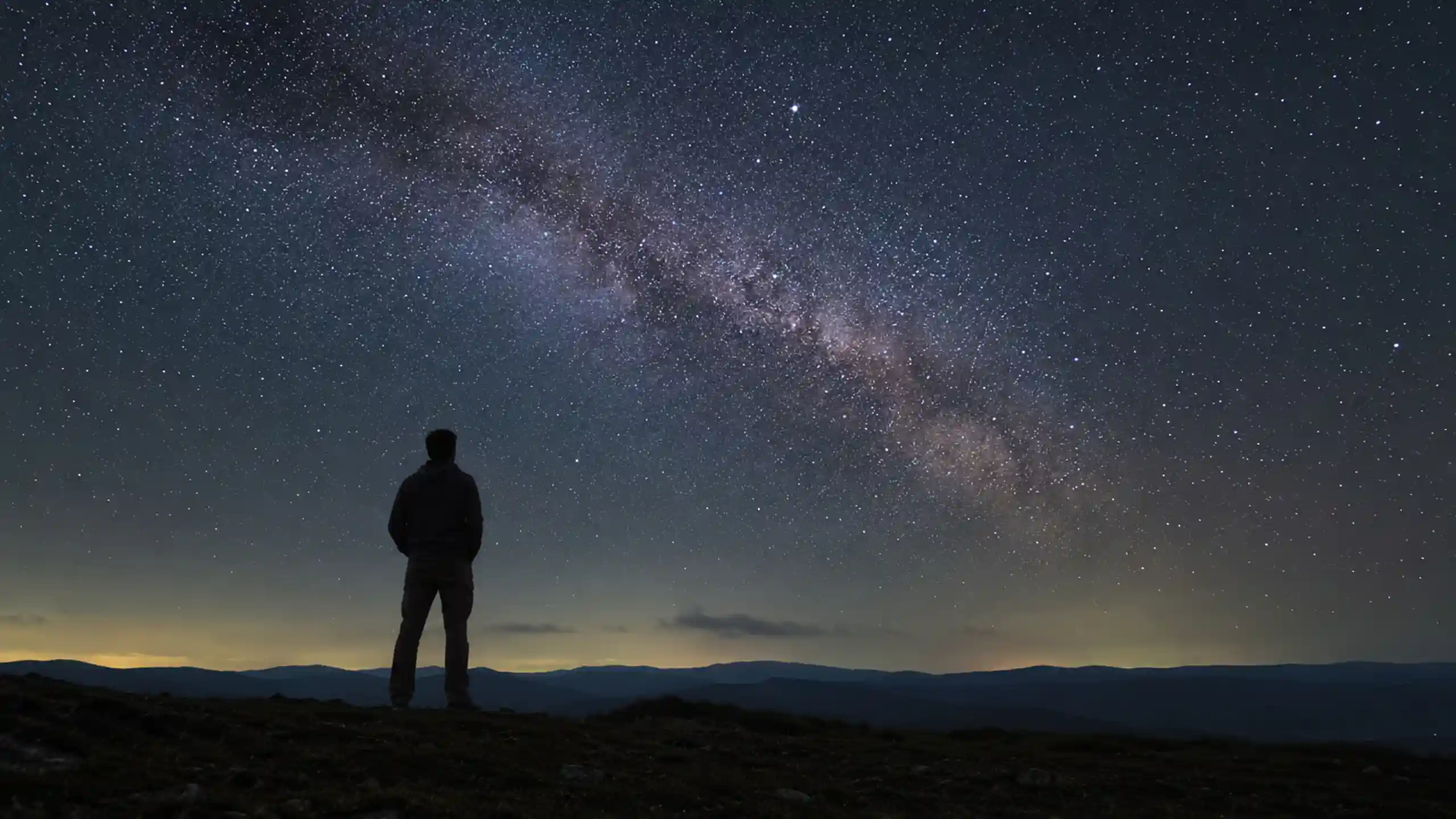
Why do people even ask whether God exists?
Alexander begins with the loss of contact. According to the biblical account, Adam and Eve knew God personally. But when man turned away from God, he still had life, the world, and the ability to think, yet he lost the certainty of being close to his Creator.
Man became absorbed in everyday life. He began to worry about what he would eat, where he would live, how he would secure his future, and how he would handle his problems. The thread of a personal relationship with God grew thinner and thinner, until man became a seeker of God.
Maybe this is your story too. You are not saying that God definitely does not exist. You have simply gotten used to living without Him. You get up in the morning, fall asleep at night, and fill the hours in between with duties, but the question remains: Where does my life come from? Why do I exist at all? Is there only matter behind this world, or is there a thought?
So the question "Does God exist?" is not just a topic for philosophers. It touches on whom your life belongs to, where its value comes from, and to whom you are accountable for it.
Creation bears the mark of its Creator
When you see a house, you know it did not come about because bricks, wood, and glass shifted around randomly for a very long time. The materials are real, but by themselves they do not explain the plan. Behind the house there is a thought, a purpose, and a builder.
In a similar way, Alexander turns our attention to creation. He says that in it we can perceive God's greatness, intelligence, majesty, might, and the splendor of His thoughts.
The Bible puts it this way:
“For the invisible things of him from the creation of the world are clearly seen, being understood by the things that are made, even his eternal power and Godhead; so that they are without excuse:”
Romans 1:20
Paul does not say that nature is God. No tree, star, or human body is a deity. They are created things. But they point beyond themselves – to the One who gave them existence.
Creation is not a full explanation of God, but it is a testimony that the world is not without origin, order, and meaning. That is why the psalmist does not say that the heavens are silent:
“The heavens declare the glory of God; and the firmament sheweth his handywork.”
Psalm 19:1
One person looks at the world and sees only matter. Another looks at the same world and asks: Where did the law by which matter exists come from? Where do order, life, the ability to know, and the beauty that people can perceive come from?
Alexander says that this is exactly where a person comes face to face with the mark of the Creator.

One of the greatest signs is that we are here
In the interview, Alexander makes a simple but weighty statement: one of the greatest confirmations of the Creator is the fact that we ourselves exist.
A human being is not just a piece of matter that moves. He thinks about truth, goodness, guilt, love, death, and eternity. He can explore the world and at the same time ask questions about himself. He creates music, understands the meaning of words, sacrifices himself for others, and feels responsible for what he has done.
Alexander puts the issue very directly:
"Matter did not come first and then consciousness; it was the other way around – first there was consciousness, and then matter."
By this he does not mean that we can easily explain every detail of the world. He is pointing to the basic question: Can unconscious matter by itself explain the origin of consciousness, reason, and creative thought?
His answer is that in the beginning there was a creative God. First there was God's thought, will, and word. Then came what we see.
John's Gospel begins in a similar way:
“In the beginning was the Word, and the Word was with God, and the Word was God.”
John 1:1
“All things were made by him; and without him was not any thing made that was made.”
John 1:3
So according to the Bible, the world does not move from meaninglessness to meaning. It comes from God's creative will. And a human being is not a forgotten accident in an alien universe. He is a creature whose life has its origin in God.
It is not enough to admit that "something above us" exists
Many people say, "I believe something must exist." But that is still very far from knowing God personally.
Even a person who admits there is a Creator can go on living as if God had no right to speak into his life. He may admire nature, the universe, or the human body, but he does not want to hear about sin, repentance, or obedience.
Alexander points out that the problem is not always a lack of signs. A person can also be avoiding God. Then the question is not only, "Are there enough reasons to believe that God exists?" It can also be, "What would have to change if I admitted that my life belongs to God?"
If God exists and is the Creator, then we are not our own final authority. We cannot decide what is good and evil just by what suits us at the moment. We are accountable to the One who gave us life.
That is exactly why seeking God can be uncomfortable. God is not an object that we examine and file away among our opinions before carrying on unchanged. When a person encounters the Lord, light enters his heart as well.

Creation shows God's power; the Lord Jesus shows God's heart
From creation we can recognize greatness, wisdom, and creative power. But if you want to know what God is like in His character, look at the Lord Jesus Christ.
In another teaching, Alexander reminds us that the Lord Jesus is "the image of the invisible God". He did not bring us a caricature of God shaped by human ideas. He showed us the heavenly Father as He really is.
“Who is the image of the invisible God, the firstborn of every creature:”
Colossians 1:15
Look at how the Lord Jesus welcomed sinners but did not make light of their sin. How He spoke the truth but did not humiliate a broken person. How He forgave, healed, served, and finally laid down His life.
On the cross we do not see an indifferent God who stayed far away from human suffering. We see the Lord Jesus, who took sin upon Himself and opened the way for man to return to the Father.
That is why the answer to the question "Does God exist?" is not just, "Look at the stars." The Christian answer goes on: "Look at the Lord Jesus."
Creation can tell you that there is a Creator behind the world. The Lord Jesus shows you that this Creator is seeking you, calling you to repentance, and offering you forgiveness.
God does not want to remain just something you think about
You can read many books about proofs of God's existence and still not know Him personally. You can win a debate and remain far from Him.
Alexander speaks of people as seekers of God. But seeking is not meant to be an endless circling around a question. The Lord Jesus came to bring lost people to the Father.
Maybe you have doubts. You do not have to hide them or pretend to have a certainty you do not have. Tell the Lord Jesus the truth:
"Lord Jesus, if You are alive, make Yourself known to me. Show me the truth about You and about me. I do not want to avoid You. Lead me by Your word."
Then open the Gospel and read who the Lord Jesus is, what He said, and what He did. Do not look only for an argument that will satisfy your curiosity. Look for the truth, and be ready to obey it.

What should I do if I am not sure?
Start honestly. Do not say "there is no God" if you have never really sought Him. But do not say "I believe" either, if it is just an empty phrase without relationship, trust, and obedience.
Observe creation, think about the origin of life and consciousness, read God's Word, and turn your attention to the Lord Jesus. Ask Him to open your eyes.
Faith does not forbid questions. But there is a difference between the question of a person who sincerely seeks the truth and a question that hides a decision not to accept any answer at all.
The Lord Jesus said:
“For every one that asketh receiveth; and he that seeketh findeth; and to him that knocketh it shall be opened.”
Matthew 7:8
Knock. Not just out of curiosity, but with all your heart.
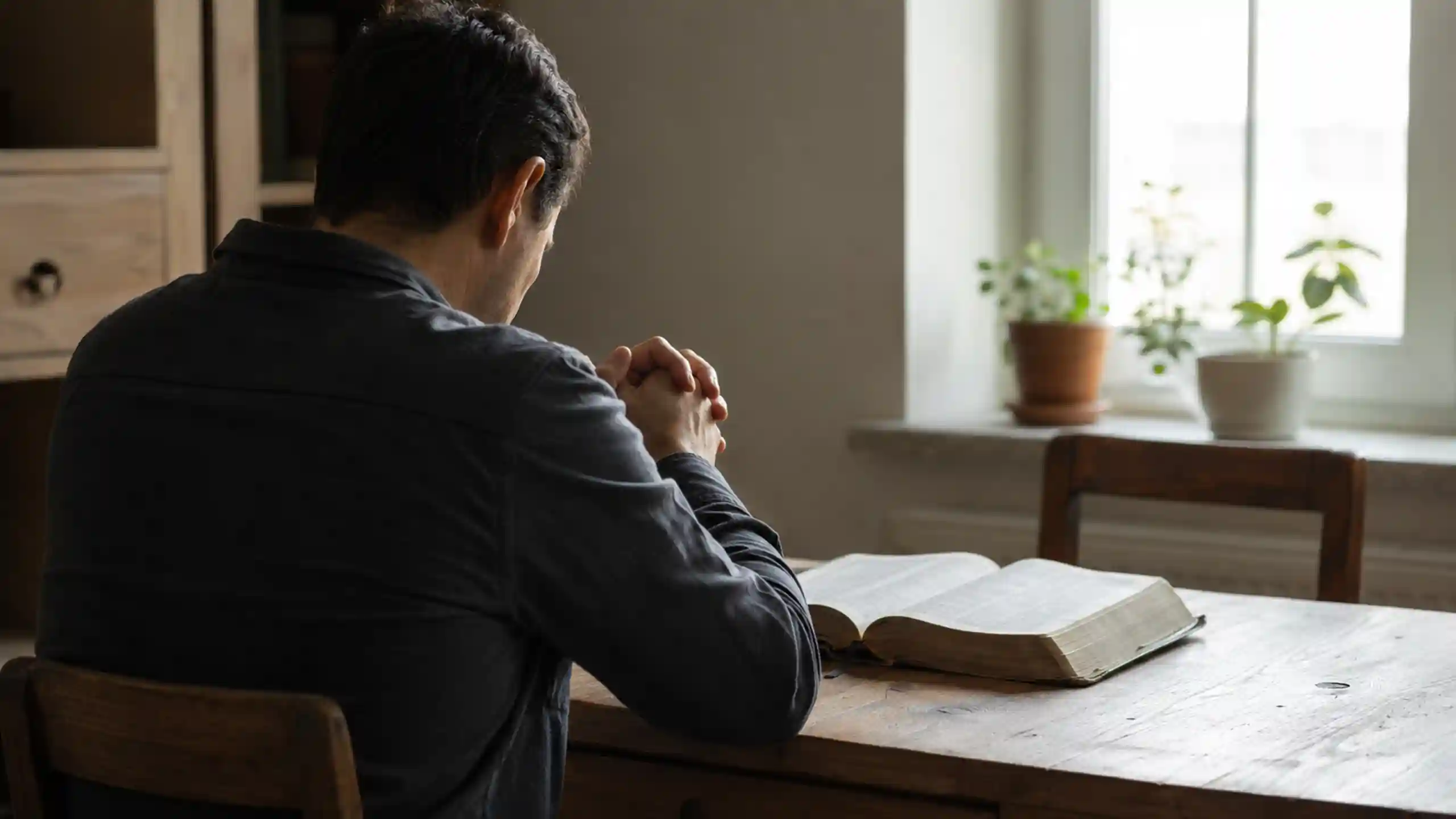
A short prayer for someone seeking God
Dear Lord Jesus,
I do not want to hide behind memorized answers or behind my uncertainty. You know what I believe, what I do not understand, and why I doubt.
Please make Yourself known to me. Open my eyes so that I may see the mark of Your wisdom in creation and come to know the truth in Your word.
Show me the truth about my life as well. If I am avoiding You because I do not want to give up my sin or my own will, forgive me and give me the strength to repent.
Lord Jesus, bring me to the heavenly Father. I do not want to merely think about God. I want to know Him, love Him, and live in the truth.
Amen.
Conclusion
Does God exist? Alexander Barkóci answers that creation and the very existence of human beings point to a creative God. In the beginning there was not just matter without thought. There was God, who by His word brought into being all that is.
But in the end, the most important question is not only whether you acknowledge that God exists. It is whether you want to know God.
The invisible God has made Himself known in the Lord Jesus Christ. He did not come merely to supply a missing argument. He came to seek and to save the lost. So do not stop at the words, "Maybe something exists." Turn to the Lord Jesus and ask Him to make Himself known to you.
Related teachings by Alexander Barkóci (the videos are in Slovak – turn on subtitles in English)
Existuje Boh? (Does God exist?) – an answer for those looking for reasons to believe in God.
Ako môžeme veriť v Boha, keď Ho nevidíme? (How can we believe in God when we cannot see Him?) – about faith in the invisible God and coming to know Him.
Aký je Boh? (What is God like?) – about God's character and how the Lord Jesus revealed Him to us.
Znovuzrodenie (Being born again) – about the new life a person receives in the Lord Jesus.
Návrat ku Kristovi – 1. časť (Returning to Christ – Part 1) – a call to return to the Lord Jesus and give Him your life.
Read more in God's Word
Jeremiah 29:12–14 – God lets Himself be found by the one who seeks Him with all his heart.
John 1:1–18 – the Lord Jesus is the Word who became flesh and revealed God to us.
John 3 – the conversation between the Lord Jesus and Nicodemus about being born again and eternal life.
John 14:1–11 – the Lord Jesus is the way to the Father and shows us what God is like.
Luke 15:11–32 – the parable of the son who returned to his father.