A testimony after head surgery
After head surgery, Alexander had an experience he could neither prove nor fully explain. Its fruit, however, was not curiosity about the spiritual world, but forgiveness, gratitude, and a decision to devote the time ahead to the Lord Jesus.
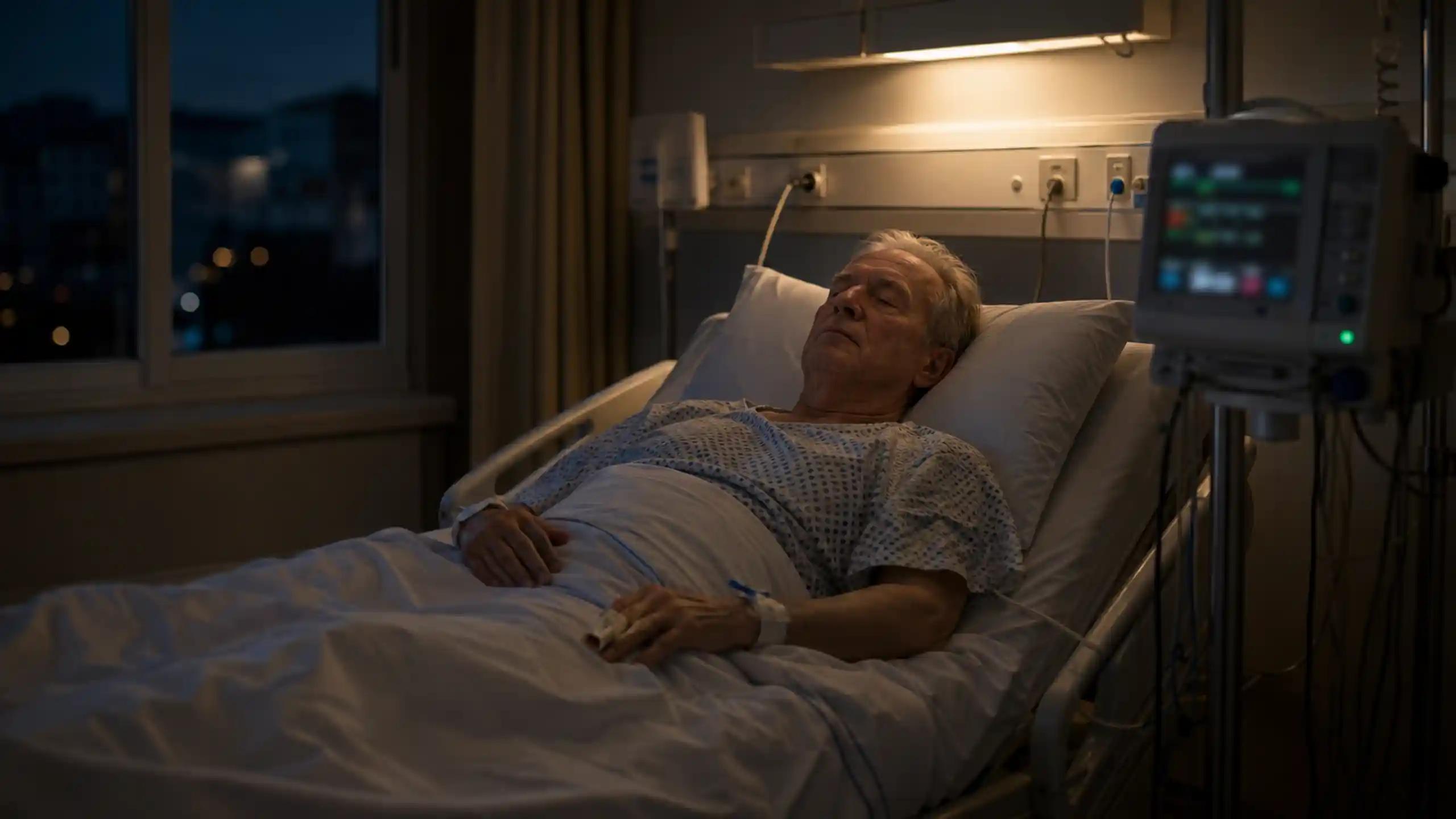
A personal testimony after serious head surgery: an inexplicable nighttime experience, words about cleansing and healing, and a new perspective on his time of serving the Lord Jesus. Alexander himself says that he has no proof of this experience.
In this article
A testimony after head surgery
What does a person have left when he is lying in the hospital after serious surgery, not knowing what lasting effects he will carry? In a personal testimony, Alexander Barkóci describes a time when, after a procedure on his head, part of his skull was missing and the doctors were monitoring the condition of his brain. During one night he went through an experience that he still connects with the Lord Jesus, cleansing, and healing.
But he himself admits that he cannot prove whether it was a vision, a dream, or some other borderline experience. So this story is not meant to be a map of heaven or scientific proof of life after death. It is the testimony of a man who, after returning to ordinary life, learned to accept that the extra time he was given was not just for himself, but for serving the Lord Jesus and other people.
Brief summary
After serious head surgery, Alexander went through an experience during the night in which, in his own words, he sensed the presence of the Lord Jesus, a great crowd of joyful people, and praise to the Lamb. After he woke up, he heard the words: "I have cleansed you and I have healed you." According to his testimony, the doctors then examined him repeatedly and did not find the expected neurological complications.
The story and its main message are simple: forgiveness cannot keep being put off, a personal experience must remain subject to God's Word, and the life we still have can be entrusted to the Lord Jesus.
When the question "why?" turned into bitterness
The story does not begin in the operating room. It begins with a disappointment that went unresolved for a long time.
Alexander says that he was hurt by the actions of people he considered his brothers. Instead of bringing his pain to the Lord Jesus and seeking a path to reconciliation, he kept asking: Why did they do this to me? Why me of all people? Why, when I wanted to serve faithfully?
Looking back from a spiritual perspective, he connects years of bitterness, self-pity, and pride with the crisis he later found himself in. His admission reveals a sobering truth: even someone who preaches to others can carry a grievance for a long time deep inside. Neither ministry, biblical knowledge, nor a position in the church can take the place of personal repentance.
Forgiveness came before the surgery
As the serious surgery drew near, even the people who had caused him pain came to see him. According to his account, they came to say goodbye, because they feared he might not survive the procedure or might be left with serious after-effects.
That was when he decided to forgive.
This did not mean claiming that what had happened was right. Forgiveness does not call evil good, and it does not cancel a person's responsibility for what they have done. But it does mean that we hand over to the Lord Jesus our grievance, our need for retribution, and the question of final judgment.
“And be ye kind one to another, tenderhearted, forgiving one another, even as God for Christ’s sake hath forgiven you.”
Ephesians 4:32
So he did not enter the hospital as a man who had all the answers. He went in aware of his own weakness, having forgiven those who had wronged him, and asking to remain in God's hands whatever the outcome.
The night after surgery that he could not explain
After the procedure he lay hooked up to hospital machines. During the following night he went through an experience that he describes as an encounter with the Lord Jesus.
But as he tells the story, he draws an important line:
"Whether it was in a vision, whether it was in a dream, whether it was in reality, I have no proof."
This is crucial for handling a testimony honestly. We should not claim more than the witness himself is able to say.
According to his account, the Lord Jesus took him by the hand and led him through the dimness to a place full of light, peace, and joy. He saw a great crowd of people who were praying and praising God. Gradually the prayer turned into song, and he heard that they were singing "the song of the Lamb."
As the power of this praise began to draw him toward a veiled throne, the experience suddenly ended. He woke up again in his hospital bed.
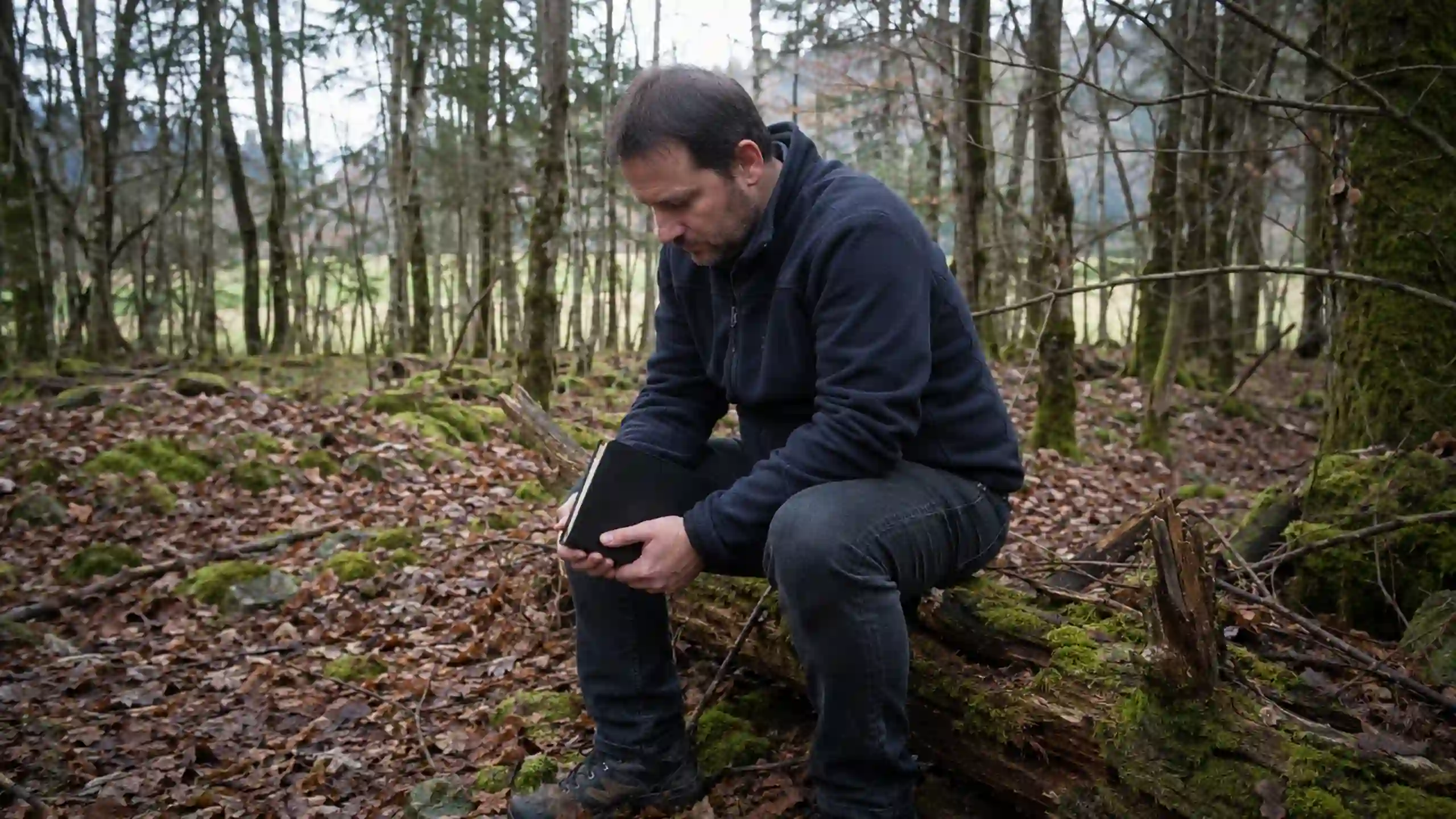
An experience is not a new teaching about heaven
The Bible tells of moments when a person received a vision or was caught up into a spiritual reality he could not fully describe. Writing about his own experience, the apostle Paul said that he did not know whether he was "in the body, or out of the body," and that God knows (2 Corinthians 12:2–4).
Christian hope does not rest on near-death experiences. It rests on the death and resurrection of the Lord Jesus Christ.
The Lord Jesus said:
“Jesus said unto her, I am the resurrection, and the life: he that believeth in me, though he were dead, yet shall he live:”
John 11:25
"I have cleansed you and I have healed you"
After he woke up, he did not want to stay in the hospital room. He says that he wept and begged the Lord Jesus to take him back. It was then, according to his testimony, that he heard the words:
"I have cleansed you and I have healed you."
He did not take these words only as a promise of physical recovery. He also connected them with forgiveness, freedom from bitterness, and a new beginning.
In the first days, though, he found it hard to accept that he had remained on earth. Later he understood that more time in this life is not a rejection of the hope of heaven. It can be a calling to stay, to love one's family, to serve people, and to finish the work the Lord still has for him.
The apostle Paul knew a similar tension. He longed to be with Christ, yet he also saw that remaining among people was necessary for their good (Philippians 1:21–24).
So faith does not teach a person to despise earthly life. It teaches him to live in such a way that the time he still has belongs to the Lord Jesus as well.
What followed in the hospital, according to his testimony
In the morning, according to his account, the doctor noticed unusual readings on the machines and repeatedly tested the patient's orientation, reasoning, and ability to do multiplication. Later he also checked his physical strength and overall condition.
Alexander says that he did not have the expected fevers or blood pressure problems and that the doctor considered his recovery unusual. In later retellings, about fifteen years after the event, he added that he never had to go to the emergency room because of after-effects from this surgery and that he was able to continue in ministry.
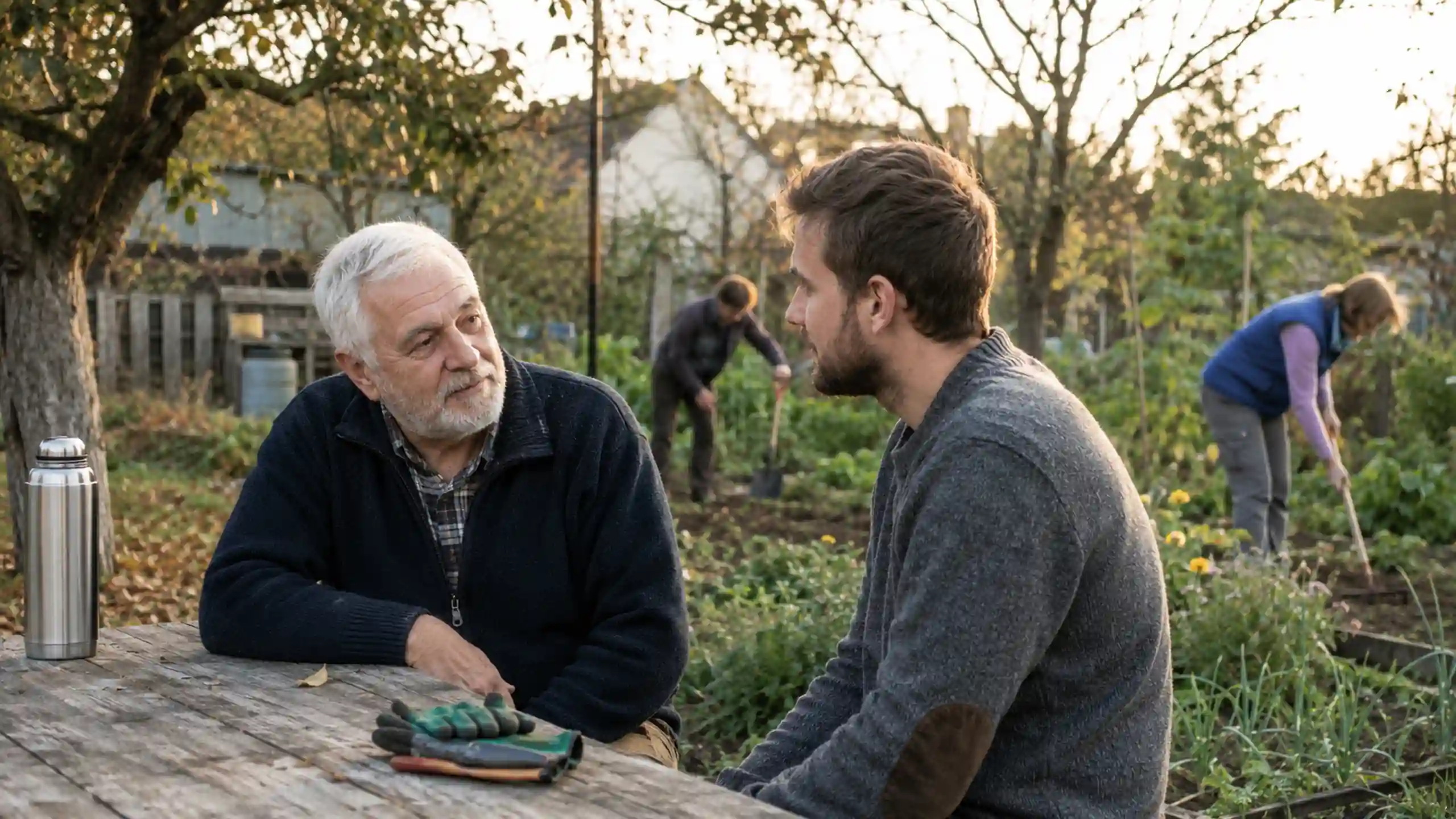
What can we take away from this testimony?
1. Don't put off forgiveness until you are at death's door
You don't have to wait for a diagnosis or an operating room. If you know you are carrying bitterness, bring it to the Lord Jesus today. Do whatever you can to make amends for your own failures and to seek reconciliation without denying the truth.
2. Don't build your faith on an extraordinary experience
A powerful experience can deeply affect a person, but it cannot replace the gospel. Feelings, images, and memories all need to be tested. God's Word remains the standard:
“Beloved, believe not every spirit, but try the spirits whether they are of God: because many false prophets are gone out into the world.”
1 John 4:1
3. Look for the assurance of eternal life in the Lord Jesus
A Christian does not have peace because he knows someone who had an experience in the hospital. He has it because the Lord Jesus died for sins, rose from the dead, and gives eternal life to whoever believes in him.
4. If you have been given more time, don't take it for granted
Another day is not just a chance to slip back into old habits. It is an opportunity to love, to forgive, to repair harm, to speak the truth, and to serve.
“I shall not die, but live, and declare the works of the Lord.”
Psalm 118:17
When longing for heaven turns into a longing to die
The Christian hope of life with the Lord Jesus is not a call to hasten your own death. Life is a gift, and its length is not ours to decide through violence against ourselves.
Short prayer after serious surgery
Dear Lord Jesus,
thank You for the life You have given me, and for today, which is not something to take for granted. You know my body, my test results, my fear of the future, and the questions I have no answer to.
Please forgive my sins. Show me, too, the bitterness, pride, and unforgiveness that I am hiding from You. Give me strength to forgive those who have hurt me, and humility to make right the ways I have hurt others.
Guide the doctors who are caring for me, and give me wisdom to continue my treatment responsibly. Protect me from fear, but also from foolishly refusing help.
If You are giving me more time, may it not belong to me alone. Teach me to love my family, encourage the weak, speak the truth, and serve You wherever You place me.
My hope does not rest on an extraordinary experience. It rests on You, Lord Jesus, who died for my sins and rose from the dead.
Amen.

Conclusion
This testimony does not answer every question about what happens at the threshold of death. But Alexander's story raises an urgent question: What will I do with the life I have today?
The Lord Jesus does not call us to chase after experiences. He calls us to repentance, forgiveness, trust, and faithfulness. He does not build the hope of heaven on human accounts, but on his own resurrection.
If the Lord has given you another day, receive it with gratitude. Set right what you can set right. And entrust the time you have left to the One who said: "I am the resurrection, and the life."
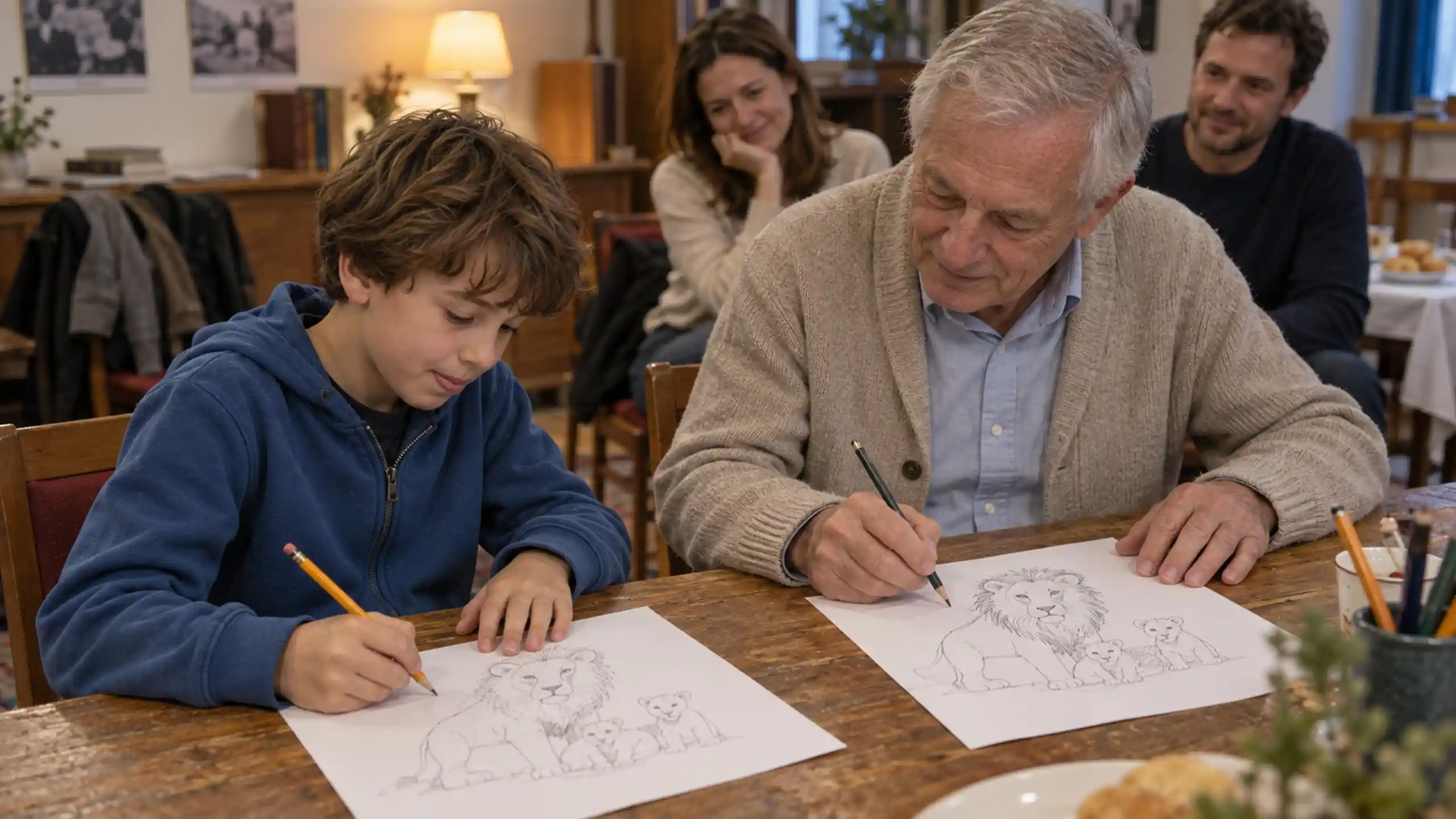
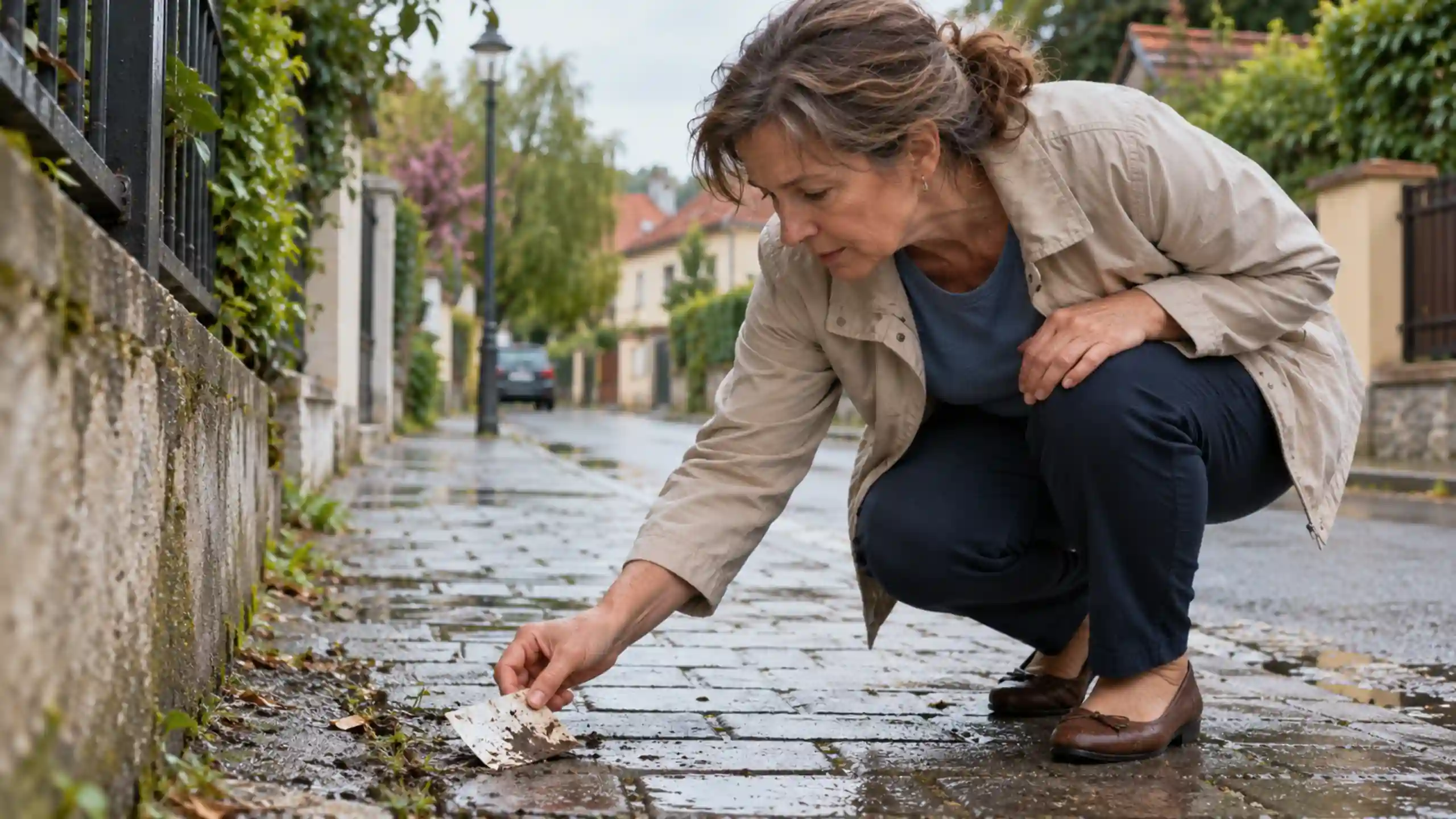
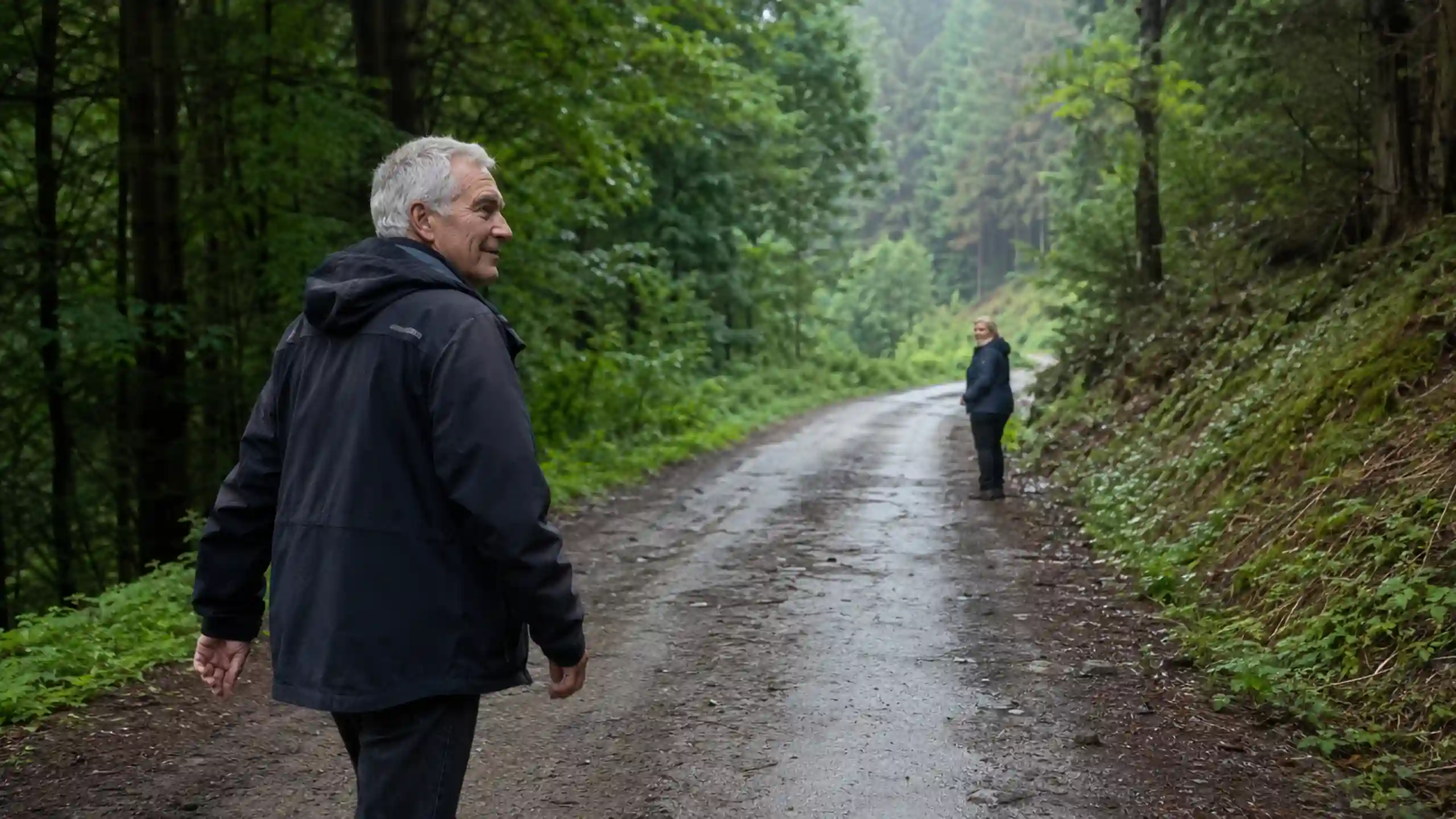
Note on the photos: The photos used in this article are for illustration only. The people shown are not Alexander Barkóci or his wife Zuzka Barkóci, and the photos do not depict any specific people mentioned in the article.
Source teachings
Main source
Teaching: V rukách hrnčiara (In the potter's hands)
Speaker: Alexander Barkóci
Date: October 17, 2025
Place: Bardejov – Mokroluh (Slovakia)
Relevant section: approx. 43:09–1:03:28
Video: Watch on YouTube (the video is in Slovak – turn on subtitles in English)
Supplementary source on the line between experience and proof
Teaching: Rieš svoje vzťahy, kým je čas (Deal with your relationships while there is time)
Date: September 14, 2025
Place: Liberec (Czech Republic)
Relevant section: approx. 54:21–1:15:54
Video: Watch on YouTube (the video is in Slovak – turn on subtitles in English)
Another retelling
Teaching: Život a smrť je v moci jazyka (Life and death are in the power of the tongue)
Date: April 18, 2026
Place: Frenštát pod Radhoštěm (Czech Republic)
Relevant section: approx. 44:10–53:30
Video: Watch on YouTube (the video is in Slovak – turn on subtitles in English)
Read in God's Word
John 11:25–26 – the Lord Jesus is the resurrection and the life.
Philippians 1:21–24 – the longing to be with Christ and, at the same time, to remain to serve people.
2 Corinthians 12:2–4 – Paul's humility about an experience he could not fully explain.
Revelation 7:9–12 – a great multitude praises God and the Lamb.
1 John 4:1–3 – spiritual experiences need to be tested.
Psalm 118:17–18 – a life preserved to declare the works of God.