Testimony from a Polish prison: when a man who never cried wept before the Lord Jesus
A prisoner who, by his own account, had never cried saw the truth about his heart and gave his life to the Lord Jesus.

Alexander describes a hardened prisoner who, by his own account, had never cried. During a sermon he saw the condition of his heart, broke down in tears, gave his life to the Lord Jesus, and later began to serve among the prisoners.
In this article
A testimony from a Polish prison: when a man who had never cried wept before the Lord Jesus
Alexander Barkóci remembers his first visit to a prison in Poland, which he describes as one of the toughest in the country. The men sitting in front of him had been convicted of murder. Some of them, he says, had received exceptionally long sentences. Alexander prayed about what he should say to people who had lived through violence, prison, and a harshness he had never known.
Then he drew a human heart on the board, and inside it a place for a throne. One of the prisoners claimed he had never cried. Before long, he began wiping away tears.
Brief summary: In his testimony, Alexander describes a prisoner in Poland who had been convicted of serious violent crimes and was considered an exceptionally difficult inmate. When he heard the call to stop letting his proud "I" rule on the throne of his heart and to let the Lord Jesus rule there instead, he broke down in tears and gave his life to the Lord Jesus. Alexander later says that the man began serving among the prisoners and was released after three years.
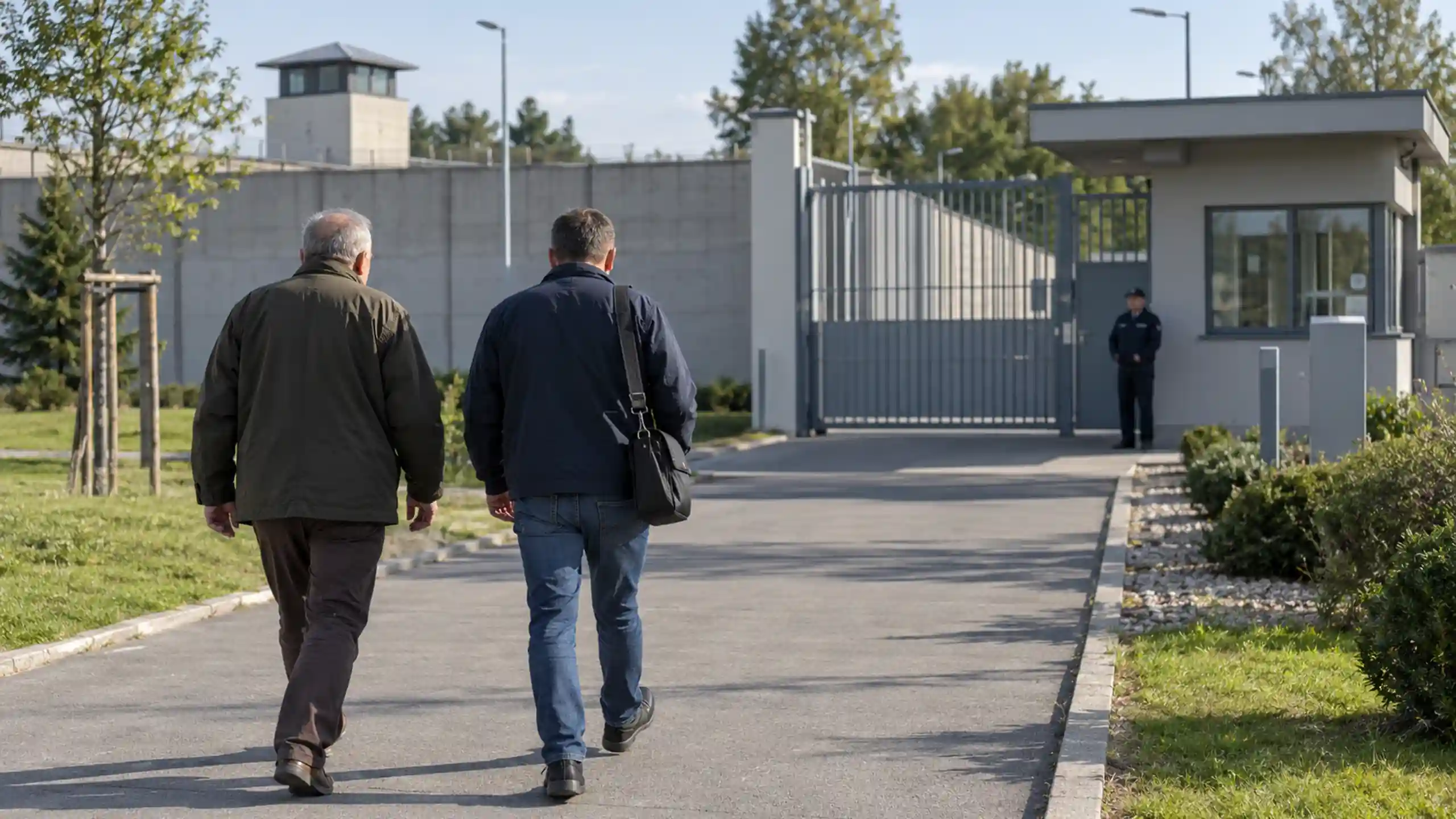
What do you say to people whose hearts have grown hard?
Alexander walked into a room where, by his account, about fifty convicted men were sitting. He wondered what he could say to them. He knew they had been through things he had not, and they might think he did not understand their lives at all.
He did not try to impress them with his own courage. He prayed and believed he should draw a human heart on the board. When the man who had brought him to the prison saw the drawing, he covered his face. It seemed pointless to him to talk to men like these about the heart and feelings.
But Alexander was not talking only about feelings. He was talking about who rules inside a person.
Do you have your own question about repentance and conversion?
The Bible Guide searches Alexander Barkóci's public sermons and teachings and shows you where he speaks about this topic – with Bible verses and the exact time in the video.
Who sits on the throne of the heart?
Inside the heart he had drawn, he added a chair as a picture of a throne. He told the prisoners that their proud "I" had been sitting in this place. It was a touchy, puffed-up ego that wanted to prove its strength and get its own way.
He reminded them of the words of Galatians 2:20: "I am crucified with Christ: nevertheless I live; yet not I, but Christ liveth in me." He urged them to hand over the rule of their hearts to the Lord Jesus. A call like this does not begin by asking whether a person is better or worse than others. It begins with the truth about one's own heart. That is also why we need to hear that God's love calls us to change.

The man who wiped his eyes in disbelief
Alexander says that several prisoners began to weep. One man kept wiping his eyes and looking in surprise at his own tears. Alexander then invited those who wanted to give the throne of their hearts to the Lord Jesus to respond. This man was the first to raise his hand.
According to Alexander, he had been sentenced to one hundred years, and the prison considered him one of the worst inmates. He often got into conflicts and was frequently placed in solitary confinement. Alexander says the man also told him that he had killed four people. He had not cried when he committed those crimes, and he had not cried during harsh treatment by the police.
But now he saw the state of his heart. He could not believe the tears he was wiping away were his own. Alexander says the man gave his life to the Lord Jesus.
Tears by themselves are not repentance or proof of salvation. In this story, they are the visible moment when a hard man stopped running from the truth. A pure heart before God does not come from strong emotion. It comes from truly turning to the Lord Jesus.
From problem inmate to servant
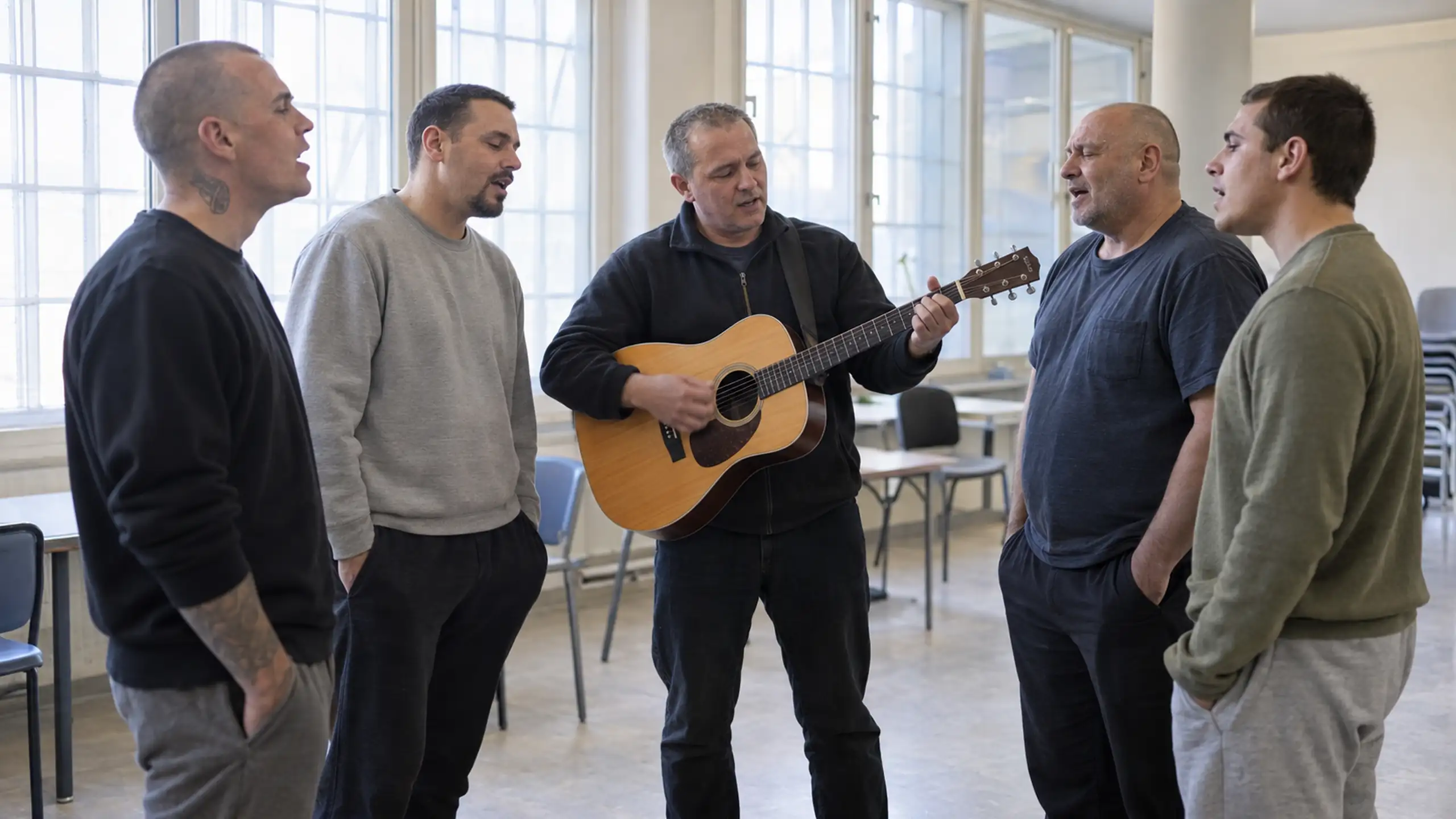
Alexander says he returned to the prison every year. The men who had received the Lord Jesus formed a singing group and sang about Christ's sacrifice. He says the man who had once been amazed at his own tears began serving in the prison's Christian fellowship.
So the story does not end with one emotional moment. It speaks of the life that followed, a life in which the change should become visible. The testimony of Csongor Berta also emphasizes transformation after an encounter with Christ. At the center of both stories is not human strength but the Lord Jesus, who calls sinners to repentance and new life.

Released after three years
When Alexander came back to the prison three years later, the man was not there. He was told that the man had been released and was supposed to come to a shared lunch after the service. Alexander stresses that this very man had once had no prospect of ever going free.
Salvation in the Lord Jesus is not a way to cancel an earthly sentence. Christ can set a person free spiritually even while that person still bears the legal consequences of his actions.
Even the gravest sin is no reason to put off repentance
This testimony does not make light of murder. It does not erase the pain of the victims, and it does not turn a crime into a dramatic backdrop. But it shows that the Lord Jesus calls even those whom society considers lost to repentance.
You don't need to compare yourself with a prisoner and tell yourself that your sins are not that serious. The question is personal: who sits on the throne of your heart today? If pride, self-will, and a life without Christ still rule there, do not put off deciding for the Lord Jesus.
You can stop defending your "I" before Him, name your sin, and give Him your whole life. If you don't know how to begin, the prayer of a person who is seeking God can help you. Prayer is not a magic formula. It is a sincere turning to the One who knows the heart and can give new life.
Editor's note: The number of prisoners, the nature of their convictions, the four victims, the hundred-year sentence, the man's reputation in the prison, and his later release are reported as told in Alexander Barkóci's public testimony. We do not present these details as independently verified court records. Photos are for illustration only; some were created using artificial intelligence.

Closing prayer
Lord Jesus Christ,
You know my heart better than I do. You see my pride, my defiance, my sin, and every excuse I make before You. I do not want my proud "I" to rule my life any longer.
Please forgive my sins. Cleanse me and give me a new heart. I give You rule over my thoughts, my words, my decisions, and my whole life. Be my Lord and Savior.
Do not let me stop at emotions or words. Lead me to sincere repentance and real change. Give me the strength to make right what can be made right, and to honestly bear the consequences of my actions.
Please send Your light behind prison walls as well. Touch the hearts of people who have lost hope, and strengthen those who bring them the gospel.
Amen.

Bible verses
Galatians 2:20 — I am crucified with Christ; it is no longer I who live, but Christ lives in me.
1 Timothy 1:15 — the Lord Jesus Christ came into the world to save sinners.
Ezekiel 36:26–27 — God promises a new heart and a new spirit in place of a heart of stone.
2 Corinthians 5:17 — anyone who is in Christ is a new creation; the old things have passed away, and new things have come.
John 8:36 — if the Son sets a person free, that person will be truly free.
Luke 4:18 — the Lord Jesus brings release to the captives and freedom to the oppressed.
Acts 3:19 — repent and turn back, so that your sins may be wiped out.
Sources (the video is in Slovak – turn on subtitles in English)
2063. Kázanie (Sermon) – Alexander Barkóci, Písek, January 12, 2025
00:57:26–01:00:41 — Alexander describes his first visit to a prison in Poland, the roughly fifty convicted men, and his prayer before ministering.
00:59:07–01:02:16 — the drawing of the heart and the throne, the proud "I," and the call to let the Lord Jesus take over the rule of the heart.
01:00:41–01:03:54 — the prisoners weep; one man wipes away his tears in surprise and is the first to respond to the call.
01:02:17–01:05:41 — the man explains that he had never cried before, gives his life to the Lord Jesus, and later serves among the prisoners.
01:04:03–01:07:06 — the prisoners' singing, Alexander's return three years later, and his account of the man's release.
01:05:47–01:09:16 — Alexander gives credit for the change not to himself but to the Lord Jesus, and goes on to call people to faith.
What does it mean to give the Lord Jesus rule over your life?
Salvation is more than a moment of being deeply moved. Read why a person needs the Lord Jesus, what Christ has done for us, and how to respond to His call with faith and repentance.