Who is Jesus Christ? A biblical answer for anyone seeking Him
The Lord Jesus Christ is the Son of God, who showed us the Father, died for our sins, rose from the dead, and calls us to trust Him and follow Him.
Who is Jesus Christ? The Bible presents Him as the Son of God, the eternal Word, the image of the invisible God, the crucified Savior, and the risen Lord. Discover why He came and what it means to receive Him not only with words but with your life.
In this article
Who is Jesus Christ?
Almost everyone knows the name Jesus. Some people picture a child in a manger, others the cross, the church, or a figure from the distant past. But the Lord Jesus cannot be confined to an image, a holiday, or a memory.
The question "Who is Jesus Christ?" is not just a quiz question. The answer shows whom a person trusts, whom he obeys, and what he builds his hope on. The Lord Jesus asked His disciples: "But whom say ye that I am?" (Matthew 16:15). No family member, priest, or preacher can answer this question for someone else.
A short answer
Jesus Christ is the Son of God, the eternal Word through whom all things were created and who became a human being. He came to show us the heavenly Father, to save sinners, and to reconcile them to God. He died for our sins, was buried, and rose from the dead. He is the living Lord and Savior, not just a religious teacher from the past. The word Christ is not His last name. It means the Anointed One — the Messiah whom God promised. So knowing the Lord Jesus does not just mean knowing who He was. It means believing in Him, receiving His forgiveness, and allowing His word to rule our lives.
Jesus did not begin to exist in Bethlehem
The Gospel of John does not begin with the birth of a child, but with these words:
“In the beginning was the Word, and the Word was with God, and the Word was God.”
John 1:1
A few verses later we read that the Word was made flesh and dwelt among us (John 1:14). So the Lord Jesus is not a man whom God later exalted as a reward. He is the eternal Word of God, who entered our history as a real human being.
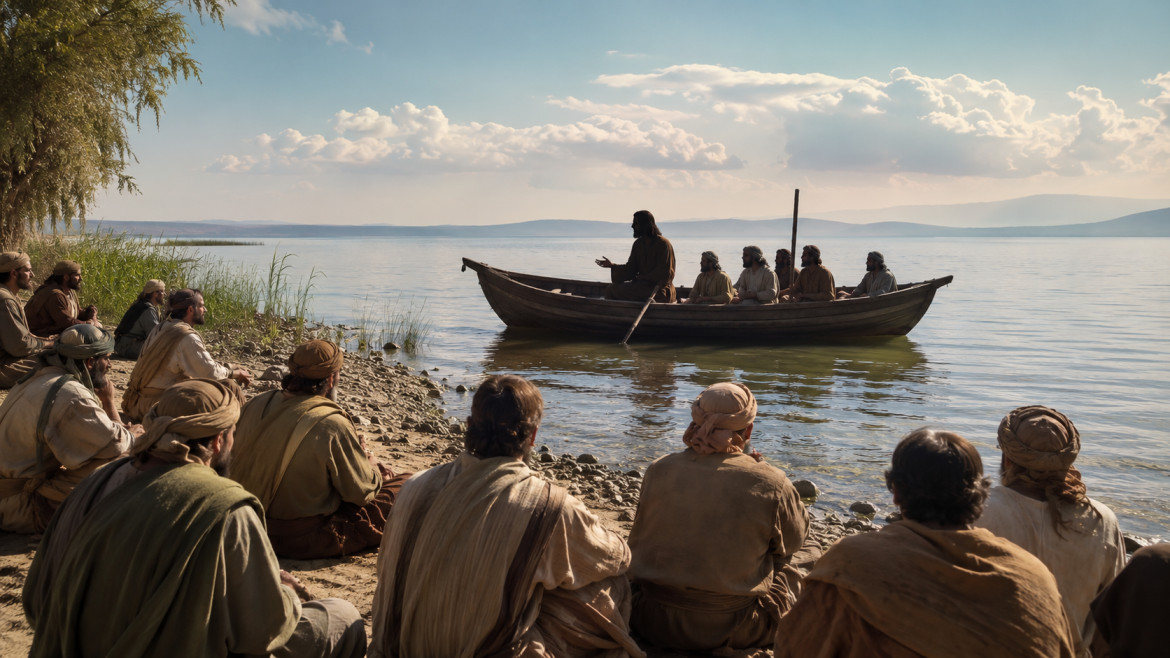
He was born, grew up, and worked; He was hungry, tired, and sorrowful. He knew rejection and pain. At the same time, He forgave sins, calmed the storm, accepted worship, and spoke with an authority that belongs to God.
In the teaching Kázanie ráno (Morning sermon), Alexander Barkóci stresses that the Lord Jesus brought us a true picture of the heavenly Father. When we want to learn what God is like, we should not start with our own ideas. We should look to the Lord Jesus.

The Lord Jesus shows us the heavenly Father
The Bible says of the Lord Jesus:
“Who is the image of the invisible God, the firstborn of every creature:”
Colossians 1:15
Some people picture God based on their experience with their own father, on the behavior of believers, or on the pain they have been through. Such a picture can be badly distorted. The Lord Jesus corrects it.
Look at how He welcomed the rejected, touched the sick, and stood up for the humiliated. He never took advantage of the weak. At the same time, He never called sin good. He told the truth to hypocrites and opened the door of forgiveness to the repentant. In Him we see both God's love and His holiness without contradiction.
When Philip asked, "Lord, shew us the Father," the Lord Jesus answered: "He that hath seen me hath seen the Father" (John 14:9). God is no longer an empty space that a person has to fill with his own ideas. He has made Himself known to us in His Son.
Why did Jesus Christ come?
The Lord Jesus did not come merely to improve human behavior or to found another religion. He Himself said that the Son of man came "to seek and to save that which was lost" (Luke 19:10).
Our deepest problem is not a lack of religious information. It is sin, which separates us from God and seeps into our decisions, relationships, and desires. No one can work off this debt with good deeds.
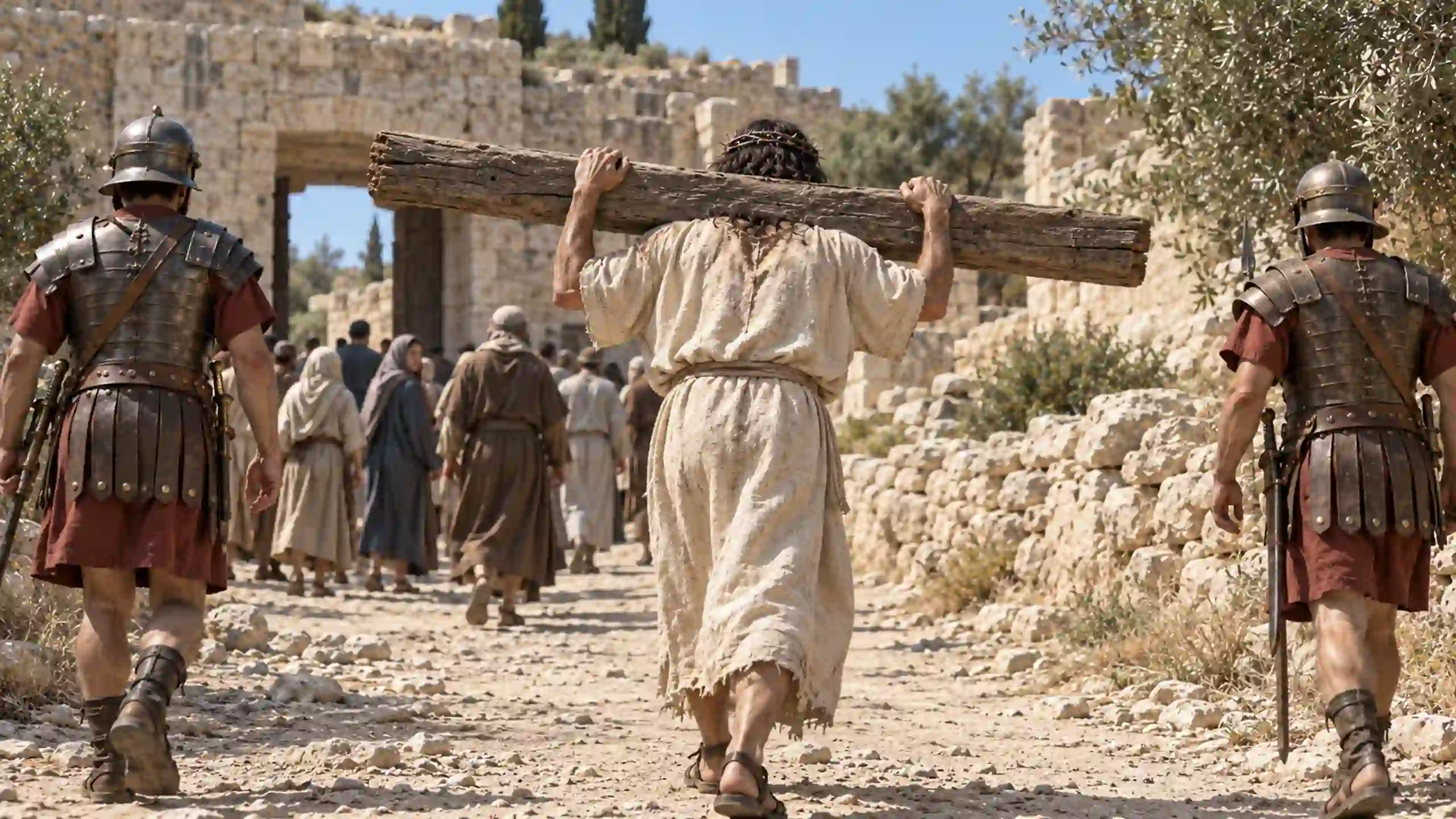
That is why the Lord Jesus went to the cross. He did not die for His own guilt, but gave Himself for sinners. On the third day He rose from the dead. The apostle Paul summed up the gospel by saying that Christ died for our sins, was buried, and was raised (1 Corinthians 15:3–4).
The cross tells us that sin is more serious than we want to admit. The resurrection tells us that the Lord Jesus is stronger than sin and death. Whoever comes to Him in repentance and faith is not coming to a dead founder. That person is coming to a living Savior.
Not just Jesus. The Lord Jesus
It is possible to speak about the Lord Jesus with admiration and still not obey Him. A person can agree with Christian teaching, attend services, and still keep the right to decide which of Christ's words he will take seriously.
Alexander Barkóci put this truth simply:
"It's not just Jesus; it's the Lord Jesus."
If He is Lord, His word cannot remain just a nice thought. It has the right to correct my opinions, my relationships, how I handle money, my purity, and the way I forgive. Alexander points out that we can nod along to the truth and let it pass us by. Then we acknowledge it with our lips, but it does not yet rule our lives.
So saying "Jesus is Lord" is not just a correct sentence. It is handing over control. It does not mean we will never fail again. It means we stop defending our sin and keep returning to the One to whom we belong.

How can you get to know the Lord Jesus personally?
Knowing facts about the Lord Jesus is not the same as knowing Him. Even a strong feeling is not, by itself, proof of faith. In the teaching Ajhľa, činím všetko nové! (Behold, I make all things new!), Alexander explains that Christ's word must meet a person's faith and take hold of his life.
Start simply:
Read the Gospel. You might start with the Gospel of John. Ask: What does the Lord Jesus say about Himself here? What does this reveal about me? What is He calling me to?
Tell Him the truth. Do not cover up your doubts or your sin with religious phrases. Confess the ways you have turned away from God, and ask for forgiveness.
Believe the gospel. Do not rely on your own goodness. Trust in what the Lord Jesus accomplished through His death and resurrection.
Obey what you already understand. If you need to forgive, forgive. If you need to right a wrong, take the first step. If something is leading you into sin, stop leaving the door open to it.
Look for a healthy fellowship. You need people who love the Lord Jesus, take the Bible seriously, and will not tie you to themselves.
The Lord Jesus does not call a person to just one powerful moment. His call is: "Follow me." This will then show up at home, at work, in times of conflict, and even when no one is watching.
Short prayer
Dear Lord Jesus,
I do not want to know You only as a name, a figure from the past, or part of a religion. I believe that You are the Son of God, who came to save sinners, died for our sins, and rose from the dead.
Please forgive my sins. Show me what I am hiding from You and what I need to make right. I do not want only to agree with Your word. I want You to be the Lord of my life.
Give me faith to trust You, strength to obey You, and humility to learn from You. Lead me by Your word and transform my character into Your image.
Amen.
Conclusion
Who is Jesus Christ? He is the eternal Word of God, the Son who showed us the Father, the Savior crucified for our sins, and the risen Lord.
But knowing the right answer is not enough. The Lord Jesus is asking you too: "Who do you say I am?" Answer Him not only with words. Answer Him with trust, repentance, and a life that is learning to obey His voice.
Related teachings by Alexander Barkóci (the videos are in Slovak – turn on subtitles in English)
1966. Kázanie ráno (Morning sermon) – Tábor seniorov (Seniors' camp), Račkova dolina – the Lord Jesus is the image of the invisible God; He revealed the Father to us and is the way, the truth, and the life; approximately 00:04:06–00:12:38.
1924. Kázanie (Sermon) – Alexander Barkóci, Banská Štiavnica – without the Lord Jesus everything is vanity; the Lord Jesus is the Word that was in the beginning; approximately 00:15:40–00:25:57.
1938. Kázanie (Sermon) – Alexander Barkóci, Písek – the Son came to save the lost; personally declaring the Lord Jesus as Lord, King, and Savior; approximately 00:03:26–00:10:03 and 01:48:11–01:53:13.
2146. Návrat ku Kristovi – 2. časť (Return to Christ – Part 2) – "it's not just Jesus; it's the Lord Jesus"; Christ's word must be Lord over our lives; approximately 00:09:31–00:17:47.
2185. Ajhľa, činím všetko nové! – 1. časť (Behold, I make all things new! – Part 1) – knowing Christ is not just theological information or an emotion; His word meets faith and transforms lives; approximately 00:31:57–00:40:13.
2128. Smrť Kristova pôsobí v nás (The death of Christ works in us) – the Lord Jesus is the image of the invisible God, and life with Him transforms a person's character; approximately 00:26:12–00:31:12.
Transcripts used and key ideas
1966. Kázanie ráno (Morning sermon): the Lord Jesus brought a true picture of the heavenly Father; a Christian should not compare himself with other people, but be transformed into the image of Christ.
1924. Kázanie (Sermon): the Lord Jesus is the eternal Word, and without Him human life remains empty.
1938. Kázanie (Sermon): the Son did not come to think of Himself, but to save the lost; the Lord Jesus should be our personal Lord and Savior.
2146. Návrat ku Kristovi – 2. časť (Return to Christ – Part 2): nodding along to the truth is not enough; Christ's word must rule over our everyday lives.
2185. Ajhľa, činím všetko nové! – 1. časť (Behold, I make all things new! – Part 1): knowing about Christ is not the same as knowing Him; the word received in faith transforms our minds, relationships, and actions.
2128. Smrť Kristova pôsobí v nás (The death of Christ works in us): the Christian life moves toward the transformation of our character into the image of the Lord Jesus.
Read more in God's Word
John 1:1–18 – the eternal Word became flesh and revealed the Father to us.
Colossians 1:15–20 – the Lord Jesus is the image of the invisible God, the Creator, and the head of the church.
Matthew 16:13–17 – Peter's confession that Jesus is the Christ, the Son of the living God.
John 14:1–11 – the Lord Jesus is the way, the truth, and the life; whoever has seen Him has seen the Father.
Luke 19:1–10 – the Son of man came to seek and to save that which was lost.
1 Corinthians 15:1–8 – Christ's death for our sins, His burial, and His resurrection.
Philippians 2:5–11 – the humbling of the Lord Jesus, His obedience to the point of death, and His exaltation.